How to Trust God When You Don’t Have Everything Figured Out

Learning to lean on Him through the experiences that make faith personal.

How do you trust God when you don’t have everything figured out? You begin by giving yourself an opportunity to rely on Him in the situation you are facing. You bring Him your concerns, seek His guidance, and practice responding to that guidance even while some questions remain.
I know…that can be easier said than done.
It’s human to want to know that you are hearing correctly, that you are making a thoughtful choice, and that you will be okay afterward. Those things matter. Yet, if you need every answer before you are willing to trust, when do you give that trust an opportunity to grow?
Think about how a relationship develops. Knowing someone is dependable becomes more personal as you experience their care and learn that you can rely on them. Your relationship with God is no different. It too has room to develop through experience. You can bring what you believe about Him into the parts of your life that you have not yet figured out.
Lean on the One Who Sees Beyond What You Can
Proverbs 3:5–6 is one of my favorite Scriptures:
“Trust in the LORD with all your heart; do not depend on your own understanding. Seek his will in all you do, and he will show you which path to take.”
Consider what that invitation means when you feel unsure. Your understanding has limits. You can only work with what you know, what you have experienced, and what you can see from where you are.
If you believe that God knows you, loves you, and sees beyond your present circumstances, you have a reason to lean on Him precisely where your understanding ends.
You can still ask questions and take care of your responsibilities. You can pray, consider Scripture, and seek wise counsel as you discern what to do. Trust gives you room to acknowledge that you need guidance without expecting yourself to know everything first.
Perhaps you have been treating the unknown as a reason you cannot move through this season. What if it could also become a place where you learn to depend on God more personally?

Trust Grows Through What You Live
My experiences have built my relationship with God.
Encouragement has helped me along the way, but living through situations where I needed to rely on Him has deepened that trust.
There have been times when I believed, prayed, and hoped for something, and the outcome looked different from what I wanted. In some of those experiences, I later recognized things I had not understood at the time. What initially disappointed me became something I could look back on with gratitude.
However, that understanding did not always arrive immediately and you may be in a situation now that still hurts or makes little sense. You do not have to force yourself to call it good in order to remain in relationship with God. You can tell God that you are disappointed. You can ask for help understanding what comes next.
Continuing the conversation and not allowing your disappointment to sever the relationship, gives your faith room to develop beyond whether a particular outcome went your way.
The trust isn’t in the outcome.
The trust should be in wanting to keep growing in who God is, even while you are still learning what He is doing.
Give Trust a Place in Your Life Today
You do not need to manufacture a dramatic leap to practice faith. Begin with the situation already before you and ask, “God, how can I honor You in the way I respond to this?”
Then, give that prayer your attention.
Consider what you understand through Scripture, sound judgment, and trusted counsel. A feeling of uncertainty can be part of what you bring to prayer without becoming something you must follow.
Your response might involve taking a thoughtful step, receiving help, or patiently waiting without spending every available moment trying to force an answer. Whatever your circumstances require, you can stay engaged with your life while acknowledging that the outcome is not entirely yours to arrange.
If you notice that you keep waiting for a guarantee, our members-only reflection, What Am I Trying to Make Certain Before I Move Forward?, offers space to explore that hesitation.
For today, remember this: you can begin practicing trust before you feel fully confident in it. Bring God what you do not understand, respond with the wisdom available to you, and remain open to His guidance.
You get to know Him personally as you walk with Him, and yes—your unanswered questions can come with you.
Keep Scripture Close
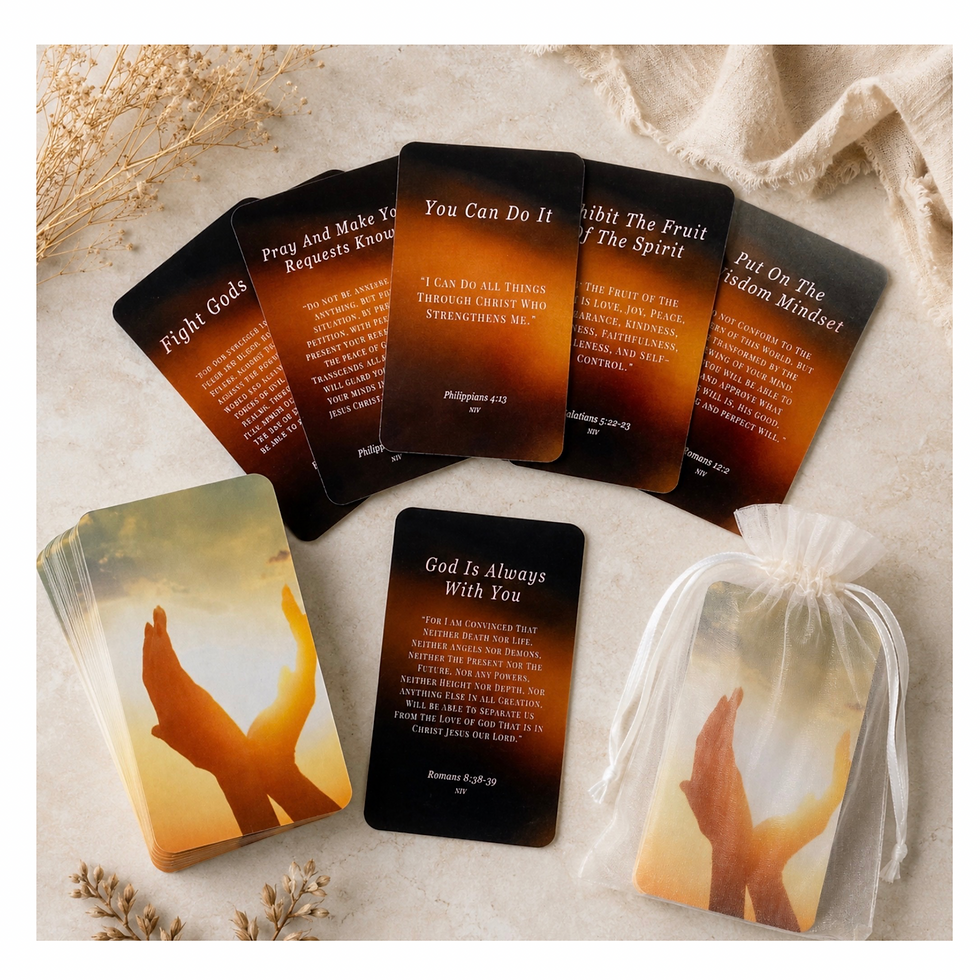
Sometimes, a reminder you can return to throughout the day helps you carry what you believe into what you are experiencing. I created the Soul Work Biblical Affirmation Cards to offer that pause.
Each of the 54 cards pairs a Scripture-based affirmation with a supporting Bible verse. Keep one nearby, take a moment to read it, and bring what it stirs in you into prayer.
With love and encouragement.
Hi, I’m Dr. Amirah B. Abdullah,
I write about the quiet moments, honest questions, and intentional practices that help us become more of who we were created to be. My hope is that these words give you room to slow down, reflect, grow, and remember the light you already carry.
I believe meaningful transformation can begin with a single honest thought, a willing heart, and the courage to meet yourself truthfully.
Thank you for spending a little time here with me. I hope you can leave with something worth carrying.